
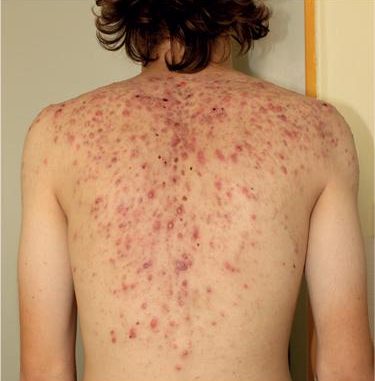
Acne is one of the most common skin problems people experience. Most people associate acne with pimples on the face, but acne can also appear on different parts of the body, including the back, chest, shoulders, arms, stomach, buttocks, and thighs. Sometimes, these breakouts look unusual, feel different, or appear in places where people do not normally expect acne. These strange-looking breakouts can be confusing, uncomfortable, and sometimes embarrassing.
Weird acne on the body can have different appearances. Some bumps may be large and painful, while others may be tiny, itchy, red, or filled with pus. Although many of these skin conditions are harmless, some may indicate infections, allergic reactions, or other skin problems that require medical attention. Understanding the different types of unusual body acne can help people recognize what is happening to their skin and find the right treatment.
1. Back Acne (Bacne)
Back acne, commonly called bacne, is a type of acne that develops on the upper or lower back. It can appear as small pimples, blackheads, whiteheads, or large painful bumps under the skin.
One reason back acne develops is because the back contains many oil-producing glands. When excess oil, dead skin cells, and bacteria clog the pores, pimples begin to form. Sweat, tight clothing, and friction from backpacks can also make the condition worse.
Back acne can sometimes be difficult to treat because the back is harder to reach when washing or applying skincare products. Showering after sweating, wearing breathable clothing, and using acne body washes containing salicylic acid or benzoyl peroxide may help.
2. Chest Acne
Chest acne is another unusual-looking breakout that can appear across the chest, especially around the center and upper chest area. It may look like tiny red pimples, whiteheads, or inflamed bumps.
Chest acne can develop because of sweat, hormones, excess oil, and clogged pores. Some people experience breakouts after exercising or wearing tight shirts that trap heat and moisture.
To help prevent chest acne, people should shower after workouts, change out of sweaty clothes, and avoid using heavy oily lotions on the affected area.
3. Butt Acne
Butt acne is a common problem, but what people call butt acne is often folliculitis rather than traditional acne. Folliculitis happens when hair follicles become irritated or infected.
It can appear as small red bumps, white-headed pimples, or painful spots on the buttocks. Sitting for long periods, sweating, friction, and wearing tight clothing may contribute to the problem.
Keeping the area clean and dry, changing sweaty clothing, and wearing loose cotton underwear can help reduce irritation. Persistent or painful bumps should be checked by a healthcare professional.
4. Acne That Looks Like Small Chicken Skin Bumps
Some people notice tiny, rough bumps on their upper arms, thighs, or buttocks. These bumps may look like acne, but they could be a condition called keratosis pilaris.
Keratosis pilaris happens when a protein called keratin builds up and blocks hair follicles. It creates small, rough bumps that may be skin-colored, red, or slightly pink.
Unlike regular acne, these bumps are usually not filled with pus. They can feel like sandpaper when touched.
Moisturizers containing lactic acid, urea, or gentle exfoliating ingredients may improve their appearance. However, harsh scrubbing can irritate the skin and make the bumps worse.
5. Fungal Acne
Fungal acne is an unusual skin condition that can look very similar to ordinary acne. However, it is not actually traditional acne. It is usually a condition called Malassezia folliculitis, which occurs when yeast naturally found on the skin grows excessively inside hair follicles.
It often appears as many small, similar-looking red or skin-colored bumps. These bumps can develop on the chest, back, shoulders, forehead, and upper arms. One noticeable symptom is itching.
Heat, sweating, humidity, and certain skincare products can contribute to fungal folliculitis. Unlike ordinary acne, traditional acne treatments may not work because the condition involves yeast rather than the usual acne process.
A healthcare professional can recommend appropriate antifungal treatments when necessary.
6. Cystic Acne
Cystic acne is one of the most painful and severe forms of acne. It develops deep underneath the skin and can create large, swollen, red, or purple-looking bumps.
These bumps may appear on the face, neck, chest, shoulders, and back. They can remain for weeks and sometimes leave scars after healing.
Hormonal changes, excess oil production, inflammation, and genetics can contribute to cystic acne.
People should avoid squeezing or popping cystic pimples because doing so can cause infection, increase inflammation, and lead to permanent scarring. A dermatologist may prescribe stronger medications to control severe cystic acne.
7. Hidradenitis Suppurativa
Hidradenitis suppurativa is a chronic inflammatory skin condition that is sometimes mistaken for unusual body acne. It causes painful, deep lumps that commonly develop in areas where skin rubs together.
These areas include the armpits, groin, buttocks, and underneath the breasts. The lumps may break open, release fluid, and develop tunnels beneath the skin. They can also leave scars.
Unlike ordinary acne, hidradenitis suppurativa is a long-term inflammatory condition that may require medical treatment.
People experiencing repeated painful lumps in skin folds should consult a dermatologist for proper diagnosis and treatment.
8. Sweat Pimples
Sweat pimples are small bumps that can appear after excessive sweating, especially in hot and humid weather. They commonly develop on the neck, chest, back, and forehead.
Sometimes, these bumps are actually heat rash rather than acne. Heat rash occurs when sweat becomes trapped beneath the skin because sweat ducts are blocked.
The affected skin may feel itchy, prickly, irritated, or uncomfortable.
Staying cool, wearing loose clothing, showering after sweating, and avoiding heavy creams can help prevent these breakouts.
9. Acne on the Stomach
Although stomach acne is less common than facial or back acne, small bumps can develop around the stomach and waistline.
These bumps may be caused by friction from clothing, sweat, clogged hair follicles, or folliculitis. Tight pants, belts, and waistbands can irritate the skin and contribute to breakouts.
However, not every bump on the stomach is acne. Some may be insect bites, allergic reactions, or other skin conditions.
If the bumps spread quickly, become painful, or are accompanied by other symptoms, medical evaluation is recommended.
10. Ingrown Hair Bumps
Ingrown hairs can look like strange pimples on different parts of the body. They occur when a hair curls back into the skin instead of growing outward.
They commonly develop after shaving or waxing, especially around the legs, bikini area, armpits, and beard area.
Ingrown hairs may appear as small red bumps with a visible hair trapped underneath the skin. They can sometimes become swollen, itchy, or filled with pus.
To reduce ingrown hairs, people should avoid shaving too closely, use clean shaving equipment, and avoid repeatedly irritating the affected area. Deep or infected ingrown hairs should be examined by a healthcare professional.
Common Causes of Weird Acne on the Body
There are several reasons why unusual acne-like bumps develop on the body. Some of the most common causes include:
- Hormonal changes: Hormones can increase oil production and contribute to acne breakouts.
- Excessive sweating: Sweat and heat can contribute to irritation and blocked hair follicles.
- Bacteria and yeast: Certain microorganisms can cause inflammation or infections around hair follicles.
- Dead skin cells: A buildup of dead skin cells can block pores and hair follicles.
- Tight clothing: Friction and trapped moisture can irritate the skin.
- Skincare products: Heavy oils, lotions, and certain products may contribute to clogged pores.
- Genetics: Some people are naturally more likely to develop acne and other skin conditions.
How to Prevent Weird Acne on the Body
Preventing unusual body acne starts with maintaining healthy skin habits. Although not every skin condition can be prevented, several simple practices may reduce breakouts.
First, shower regularly, especially after exercising or sweating. Wearing clean, breathable clothing can also help prevent moisture and friction from irritating the skin.
Avoid using harsh soaps or aggressively scrubbing the body. These habits can damage the skin barrier and increase irritation. Instead, choose gentle cleansers suitable for your skin type.
It is also important to avoid squeezing pimples or picking at unusual bumps. This can increase inflammation and cause scars or infections.
Finally, use skincare products carefully. Ingredients such as salicylic acid and benzoyl peroxide can help with certain types of acne, but they are not suitable for every acne-like condition.
When Should You See a Dermatologist?
Not every unusual bump is dangerous, but some skin problems require professional attention. You should consider seeing a dermatologist if bumps are extremely painful, repeatedly return, spread quickly, produce pus, or leave scars.
You should also seek medical advice if you are unsure whether the bumps are acne, an infection, an allergic reaction, or another skin condition.
Seek urgent medical attention if a skin problem is accompanied by fever, rapidly spreading redness, severe swelling, or feeling seriously unwell.
A dermatologist can examine the affected area, identify the cause, and recommend the correct treatment.
Leave a Reply